
Eelgrass plays a crucial role in our oceans’ ecosystems, serving as a nursery and sanctuary for many species while balancing oxygen, carbon, and nitrogen levels in coastal ecosystems. Danish coastal areas have historically contained hundreds of kilometres of eelgrass beds.
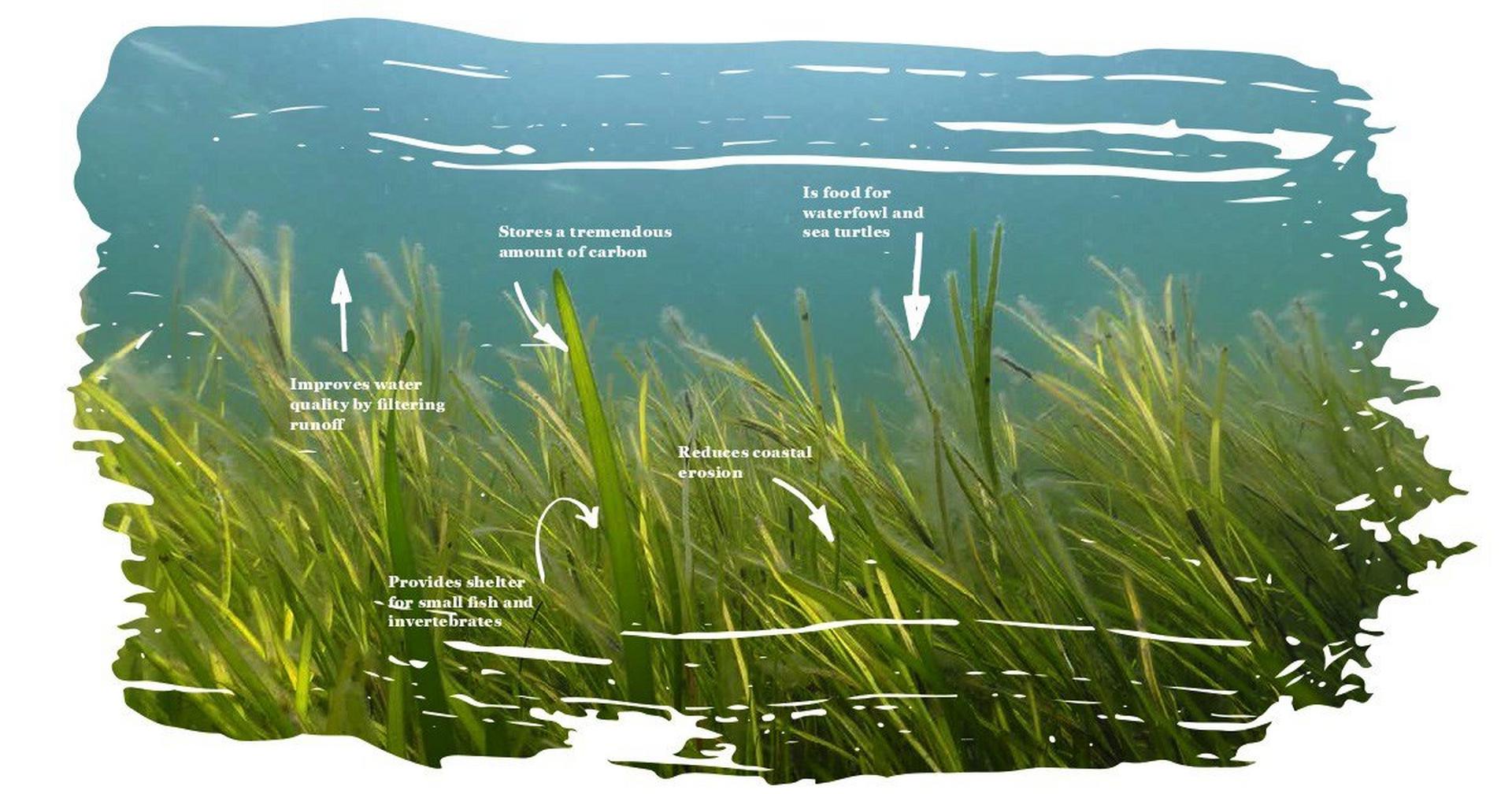
Since the beginning of the 20th century, between 80% and 90% of this plant population has disappeared. This dramatic decline has significant consequences for the area’s marine environment, as eelgrass is an essential habitat for many fish and crustaceans. When eelgrass disappears, the species that depend on it migrate to other areas, potentially modifying their new habitat.
In healthy eelgrass beds, the plant produces oxygen and absorbs nitrogen and carbon dioxide from the water. The nitrogen removal aspect of eelgrass is critical in areas surrounding Denmark due to high levels of nitrogen emissions from human wastewater facilities and run-off from agriculture. When eelgrass dies and decays, carbon and other elements in the biomass are emitted into the environment. These factors contribute to ocean acidification and eutrophication, two main threats to marine biodiversity.
To restore the eelgrass population on Denmark’s coastline, BioMar, together with Thomas Stampe Petersen of Mols Bjerge National Park, brought together over 100 volunteers and planted more than 8500 eelgrass seedlings. The seedlings were harvested from well-established eelgrass beds in the Dragsmur area. They were individually bound to uncoated iron nails and made ready for freedivers to plant them in designated areas.
The corroding iron nails will become fertilizer for the plants in the coming months and years. Marine experts held educational sessions for kids and adults throughout the planting session. Hother Hennings led a walking tour to learn about the Danish marine ecosystem. Author and seaweed expert Lilli Gruwier showed some exciting ways to incorporate seaweed into traditional Danish foods.